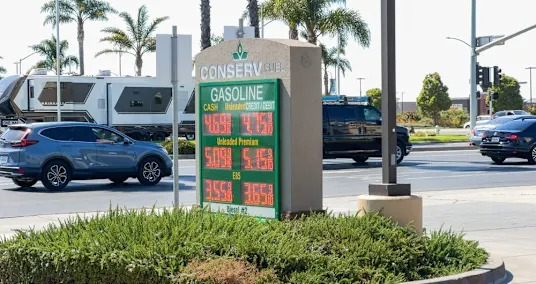
Global petrol prices have climbed sharply following disruptions to oil supply linked to the Iran war, prompting governments to act selectively to control costs.
Retailers worldwide are now navigating higher fuel prices alongside shifting consumer behaviour and rising supply chain costs.
Prices at the pump have increased significantly in many major markets since the conflict escalated. Diesel has surged even faster in some regions, adding further pressure on delivery and logistics costs.
Governments are attempting to ease these pressures without creating long-term fiscal problems.
Targeted tax cuts and subsidies
Fuel tax reductions remain the most common measure to reduce petrol costs. Several governments have lowered fuel duties or levies to support households and businesses.
In the UK, the existing fuel duty cut is under review. Officials have warned it is “too soon” to measure the economic impact of the conflict. This reflects caution over inflation and public spending.
Other countries, such as France, are offering targeted subsidies to specific sectors like transport and agriculture, rather than applying broad price cuts. For retailers, this creates uneven pricing environments and short-term fluctuations in fuel demand at forecourts.
Demand reduction policies shift retail patterns
Unlike previous crises, governments are now focusing on lowering fuel consumption as well as controlling prices.
Measures include promoting remote work, encouraging public transport use, and in some areas, introducing shorter work weeks. Severe cases have seen fuel rationing return.
These policies affect retail footfall. Reduced commuting lowers visits to petrol stations and convenience stores. Delivery schedules and product availability can also be disrupted, particularly for grocery and fast-moving consumer goods sectors.
Retailers are adjusting to changes in customer behaviour driven by higher fuel costs and government guidance.
Rising fuel costs pressure supply chains
Higher petrol and diesel prices are increasing operating costs across retail supply chains. Transport and logistics costs are rising, pushing up wholesale prices and, in turn, retail shelf prices.
Governments are monitoring fuel retailers to prevent excessive markups. In some markets, price transparency tools have been introduced to allow consumers to compare prices more easily, which increases competition among forecourts.
For international retailers, these trends signal continued volatility. While targeted government action may ease the impact in the short term, underlying global oil market instability continues to create uncertainty for pricing, logistics, and customer demand.
NEUESTE BEITRÄGE
- 1
 How to watch ‘The Traitors’ U.K. Season 4 premiere today from the U.S.01.01.2026
- 2A Past filled with Old Civilizations: The World's Most established Societies30.06.2023
- 3These are the Fastest Italian Sports Cars20.11.2025
- 4The Ascent of Robots: Occupations That Man-made brainpower Might Dispense with05.06.2024
- 5Find Wonderful Stream Voyage Objections On the planet06.06.2024


Ähnliche Artikel
- Key Business Regulations to Consider While Arranging Your Independent venture30.06.2023
- Aspirin can prevent a serious pregnancy complication — but too few women get it, new report suggests15.11.2025
- From Novice to Master: Dominating a Side interest22.09.2023
- Germany's Bundestag extends two armed forces missions abroad13.11.2025
- Mountain Trekking on a Tight spending plan: Tracking down the Right Bicycle06.06.2024
- Happy with Running Shoes for 202405.06.2024
- Vote In favor of Your Favored Shimmering Water05.06.2024
- 'Backward and upward and tilted': Spaceflight causes astronauts' brains to shift inside their skulls13.01.2026
- College students are now slightly less likely to experience severe depression, research shows – but the mental health crisis is far from over20.11.2025
- Merz postpones Norway trip for Belgium talks on frozen Russian assets04.12.2025


